
BREECH POSITIONING
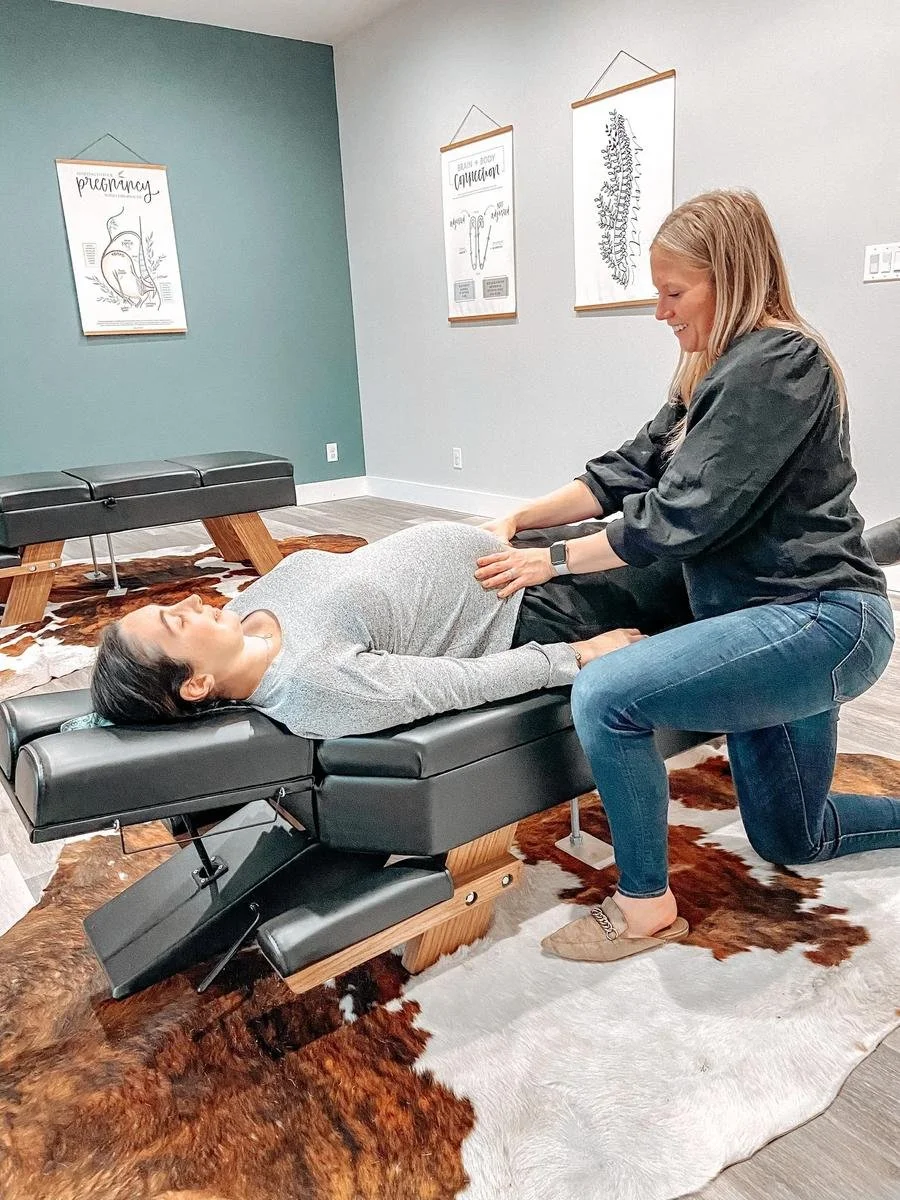
Understanding Breech Positioning
A breech presentation means your baby is positioned with their feet or bottom toward the birth canal instead of head-down. It's more common than many parents realize — roughly 3–4% of full-term pregnancies are breech at delivery, with higher rates earlier in the third trimester before the baby settles into position.
There are several types of breech presentation, including frank breech (bottom down, feet up near the head), complete breech (sitting cross-legged), and footling breech (one or both feet presenting first). Each presents its own considerations for birth planning.
What Causes a Baby to Be Breech
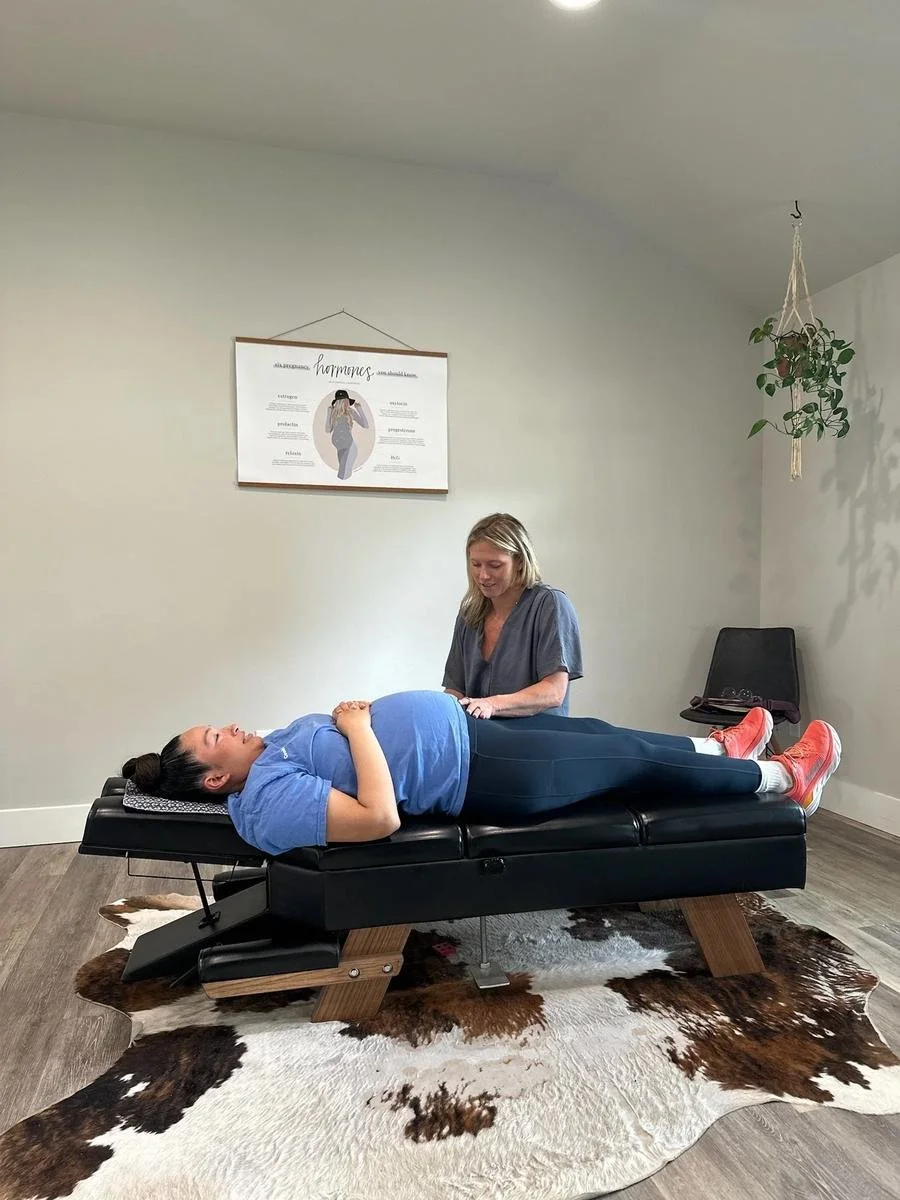
A baby's position in the womb depends on the space available and how freely they can move. When the pelvis is misaligned, the uterus may not expand symmetrically — and the surrounding ligaments and muscles may create tension that restricts the baby's ability to turn.
This is called intrauterine constraint, and it's one of the most common reasons babies remain breech as the due date approaches.
How Chiropractic Supports Optimal Positioning
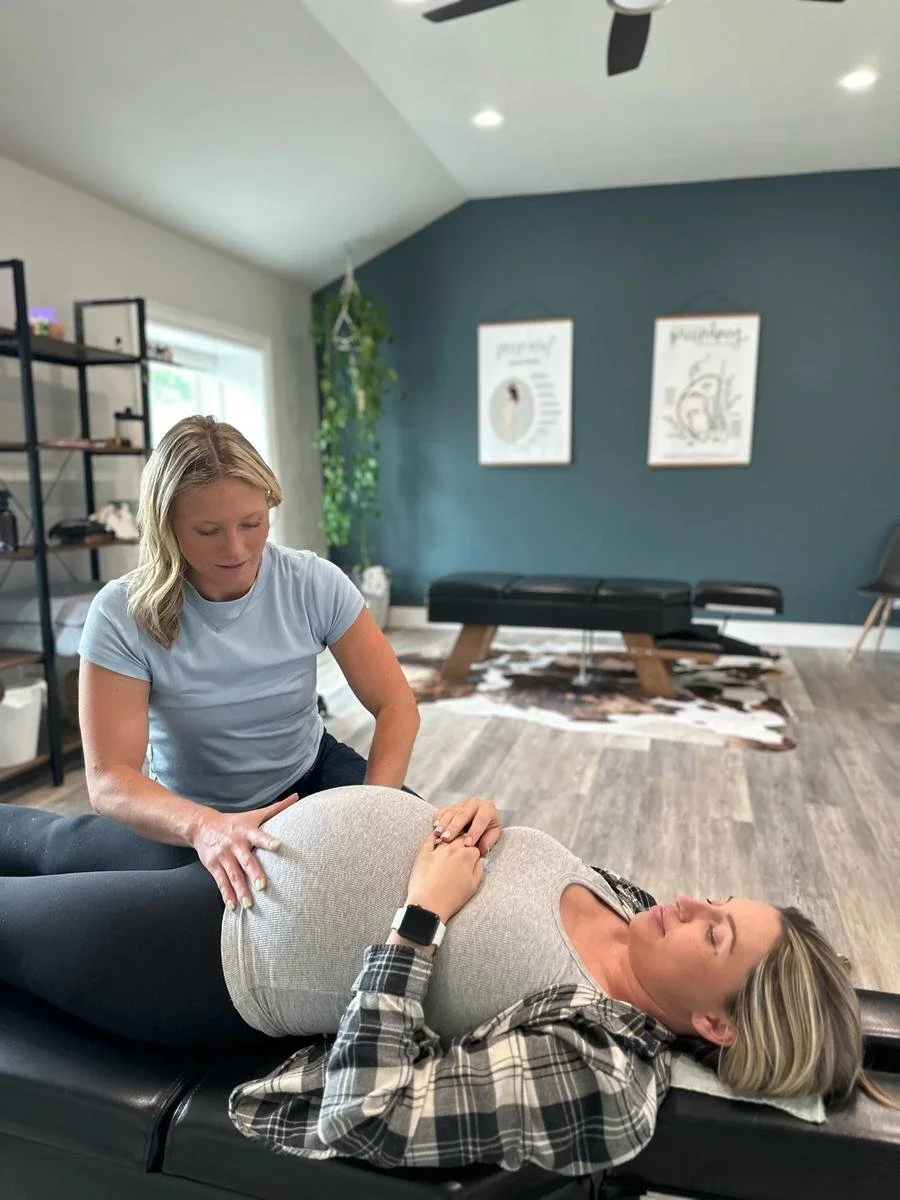
The Webster Technique is specifically designed to address the pelvic alignment and soft tissue balance that contribute to intrauterine constraint. By restoring proper sacral position and reducing tension in the round ligaments, the Webster Technique helps create a more balanced pelvic environment — giving your baby the best opportunity to move into the head-down position naturally.
It's important to understand: chiropractic doesn't manually turn a breech baby. We address the structural and neurological factors that may be preventing the baby from turning on their own.
What to Expect When Seeking Care
Timing matters. If your baby is breech, we recommend beginning Webster care as soon as possible — ideally around 30–34 weeks, though we welcome patients at any gestational age.
Your care plan will include regular Webster adjustments — typically two to three times per week — to encourage pelvic balance. Dr. Collin and Dr. Kara will monitor your progress and adjust frequency based on how your body responds.
Frequently Asked Questions
Still have questions? Take a look at the FAQ or reach out anytime. If you’re feeling ready, go ahead and apply.
-
We don't manually turn babies. The Webster Technique restores pelvic balance and reduces uterine constraint, which may allow the baby to reposition naturally.
-
As early as 30 weeks if your provider has identified a breech presentation. Earlier is better, but we see patients at all stages.
-
By correcting sacral misalignment and relieving round ligament tension, the Webster Technique reduces the physical constraint that can prevent a baby from turning head-down.
-
Yes. The Webster Technique is gentle, non-invasive, and specifically designed for pregnancy.
Ready to Get Started?
Your family deserves answers — not guesswork. Schedule your first visit and let's find out what your nervous system is telling us.