
PLAGIOCEPHALY (FLAT HEAD) & CHIROPRACTIC
What Is Plagiocephaly?
Plagiocephaly — commonly called flat head syndrome — is a condition where a baby's head develops a flat spot, usually on one side of the back of the skull. Brachycephaly is a related condition where the flattening is across the entire back of the head.
In most cases, plagiocephaly is positional — caused by external pressure on the skull rather than a problem with the cranial bones themselves. This makes it distinct from craniosynostosis, which involves premature fusion of the skull sutures and requires different intervention.
Causes and Contributing Factors
Positional plagiocephaly develops when sustained pressure is applied to one area of the skull. Common contributing factors include torticollis (the most frequent co-occurring condition — babies who can't turn their head freely tend to rest on the same spot), prolonged time on the back (back-to-sleep positioning, car seats, swings, bouncers), limited tummy time, and in-utero positioning or birth-related cranial molding.
The connection between torticollis and plagiocephaly is strong — addressing one often requires addressing both.
How Chiropractic & Craniosacral Therapy Helps
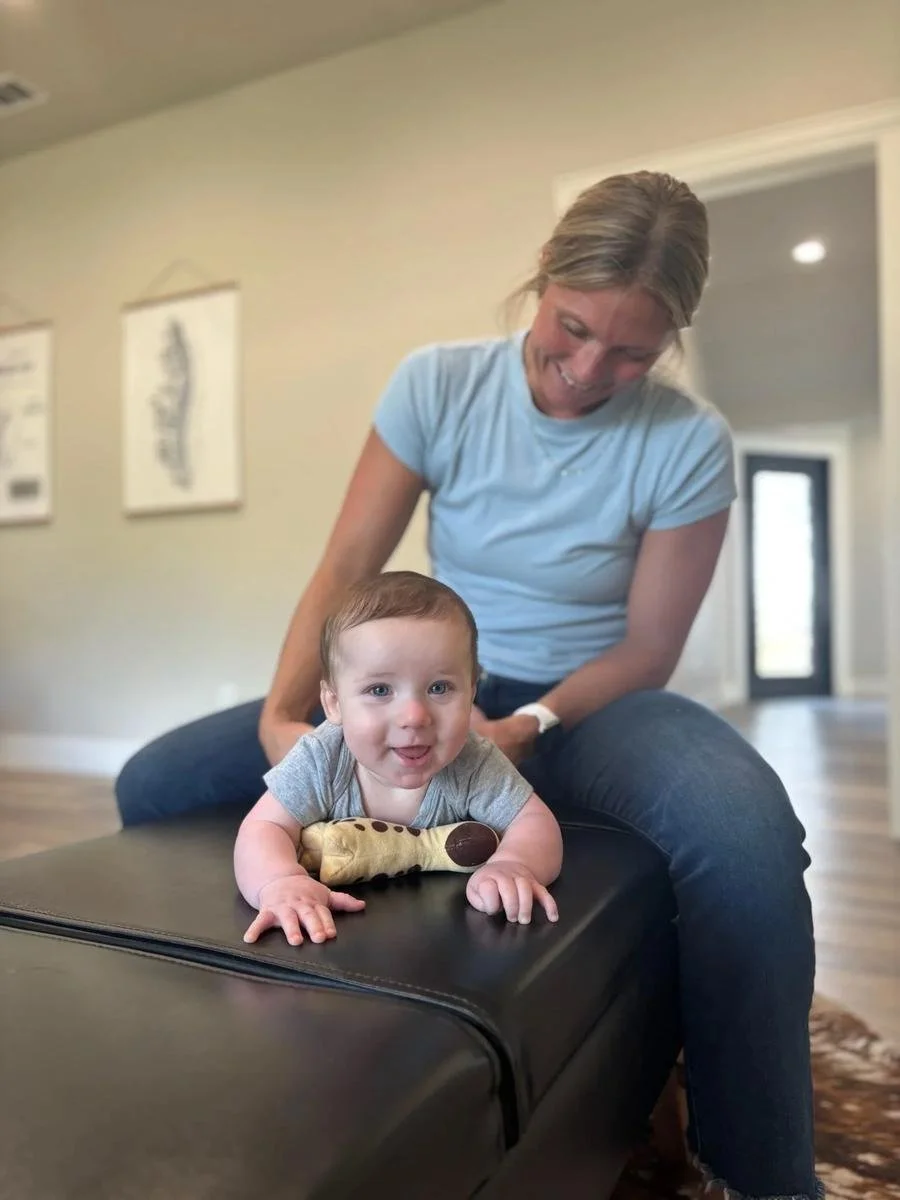
Dr. Collin has specific experience and training in supporting babies with plagiocephaly — an area he's particularly passionate about. Our approach combines gentle chiropractic adjustments to restore cervical alignment (which addresses the underlying torticollis or movement restriction) with craniosacral therapy to gently encourage cranial bone mobility and symmetry.
This two-pronged approach helps by restoring full neck range of motion so your baby doesn't favor one position, gently supporting the cranial bones in returning to a more symmetrical shape, and reducing tension patterns that contribute to continued flattening.
What Parents Can Expect
We'll start with a thorough assessment of your baby's head shape, cervical range of motion, and neurological scans. From there, we'll create a personalized care plan that typically includes regular adjustments and craniosacral sessions.
We'll also provide home care guidance — tummy time strategies, repositioning techniques, and developmental activities — to support progress between visits. Timeline varies depending on severity and your baby's age, but earlier intervention consistently produces better outcomes.
Frequently Asked Questions
Still have questions? Take a look at the FAQ or reach out anytime. If you’re feeling ready, go ahead and apply.
-
Yes. By addressing the cervical restriction and muscular tension that contribute to positional preference — combined with craniosacral therapy — we support improved head shape naturally.
-
Craniosacral therapy uses gentle pressure to encourage mobility in the cranial bones and soft tissues, supporting more symmetrical development.
-
As early as possible. The cranial bones are most responsive to intervention in the first several months of life.
-
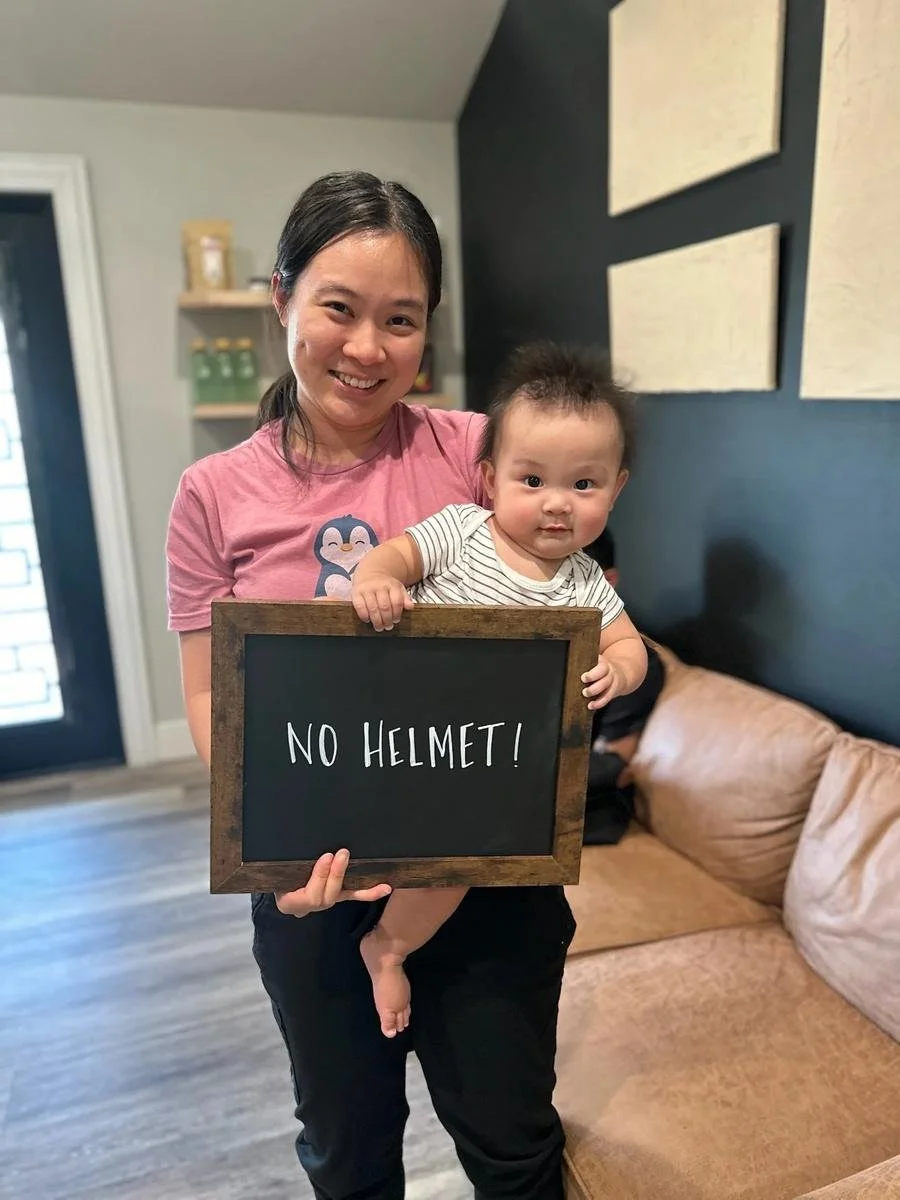
In many cases, early chiropractic and craniosacral intervention can reduce or eliminate the need for a helmet. Every case is different, and we'll give you an honest assessment of your baby's situation.