
SENSORY PROCESSING & CHIROPRACTIC
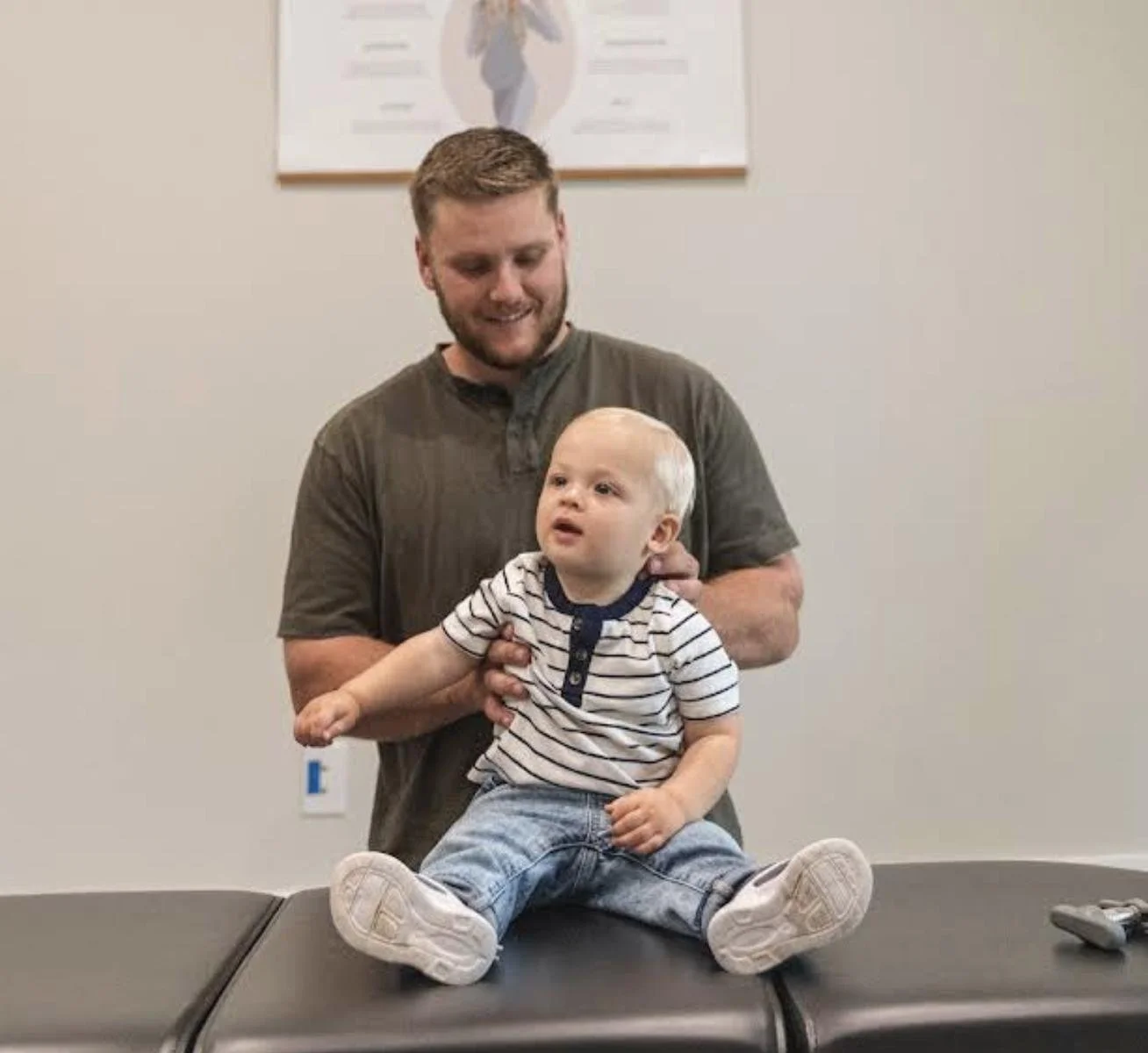
Understanding Sensory Processing Challenges
Sensory processing challenges occur when the nervous system has difficulty receiving, organizing, and responding to sensory input. Some children are over-responsive — overwhelmed by sounds, textures, lights, or crowds. Others are under-responsive — seeking intense sensory input or appearing unaware of their environment.
For many families, this shows up as meltdowns in overstimulating environments, difficulty with clothing textures or food textures, resistance to grooming (haircuts, tooth brushing, nail trimming), difficulty with transitions or changes in routine, clumsiness or poor body awareness, and emotional reactions that seem out of proportion to the trigger.
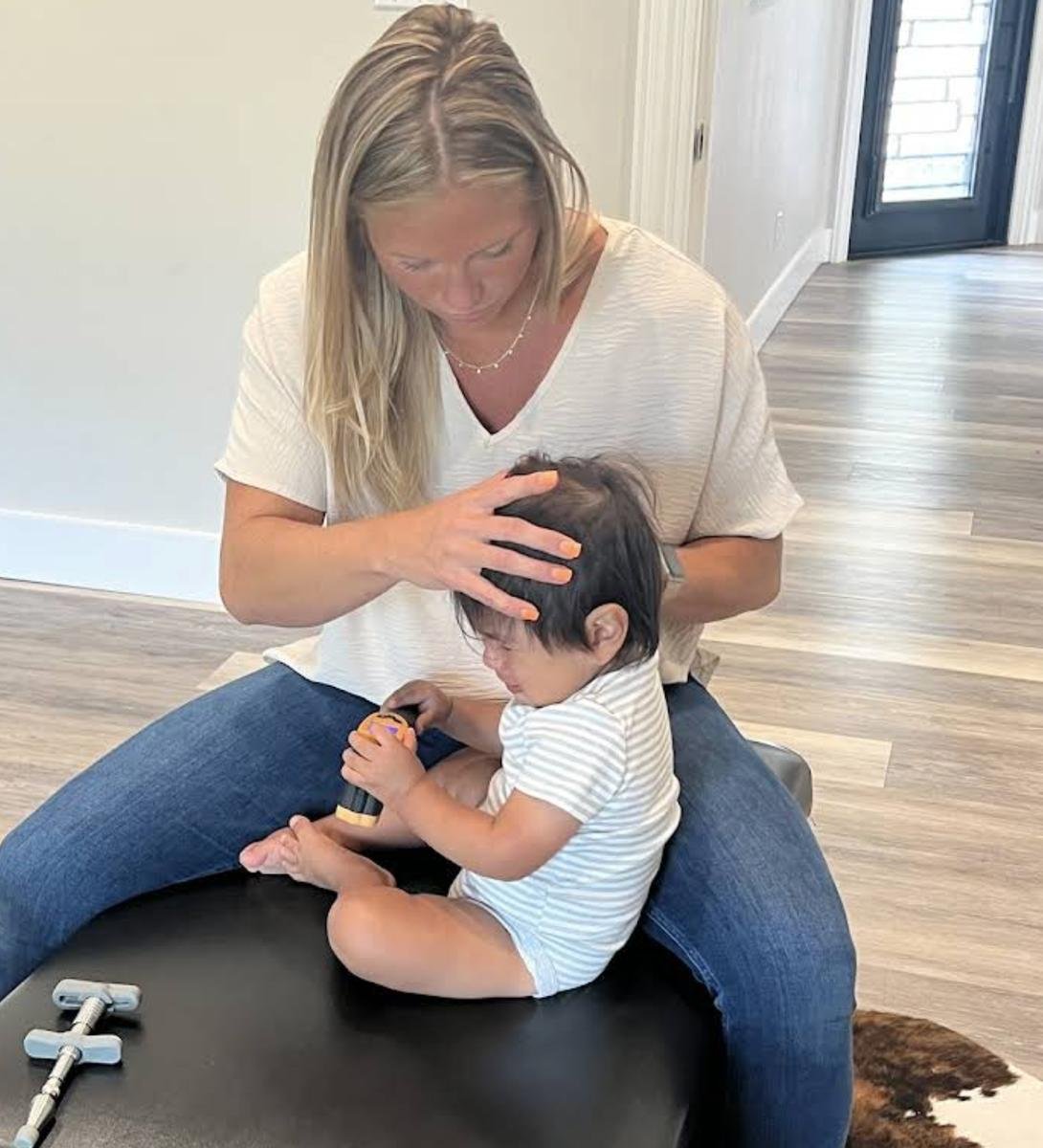
The Nervous System Connection
Sensory processing isn't just about the senses — it's about how the brain and nervous system integrate sensory information. When the nervous system is overwhelmed or dysregulated, it can't sort, prioritize, and respond to input effectively.
Children with sensory processing challenges often have nervous systems stuck in a heightened stress state, making it harder to filter and organize the constant stream of sensory data they encounter throughout the day.
How Chiropractic Supports Sensory Regulation
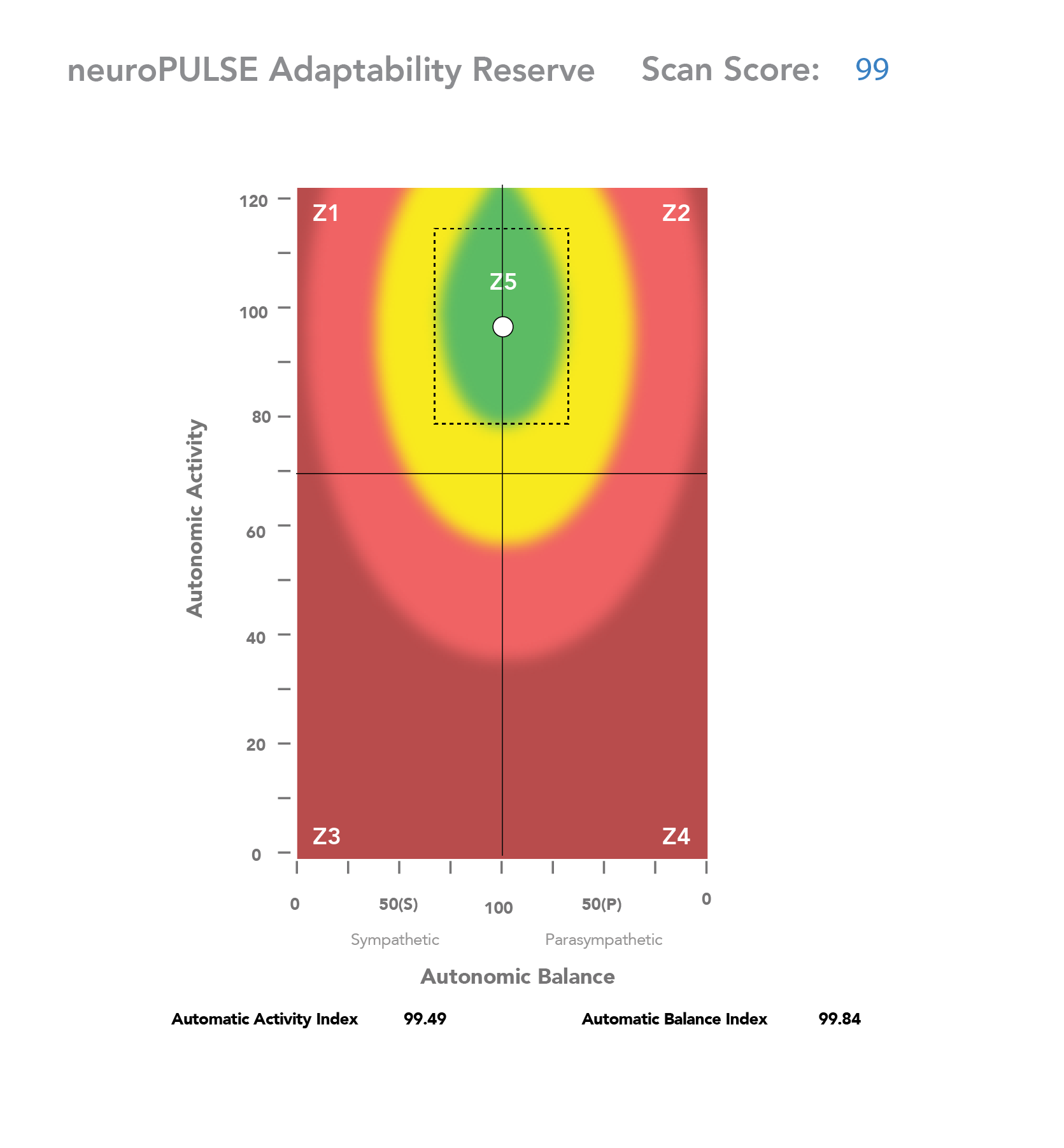
Neurologically-focused chiropractic reduces the subluxation and nervous system interference that contribute to dysregulation. By restoring balance between the sympathetic and parasympathetic nervous systems, we help the brain process sensory input more effectively.
This doesn't replace occupational therapy or other sensory-specific interventions. It works alongside them — addressing the neurological foundation that those therapies build on.
We use CLA INSiGHT scans to assess your child's nervous system state and track improvement over the course of care.
What Parents Notice After Care
Families commonly report calmer responses to previously overwhelming situations, improved tolerance of textures, sounds, and environments, better transitions and adaptability, improved body awareness and coordination, and reduced frequency and intensity of meltdowns.
Frequently Asked Questions
Still have questions? Take a look at the FAQ or reach out anytime. If you’re feeling ready, go ahead and apply.
-
Chiropractic supports the nervous system's ability to integrate and process sensory input by reducing spinal subluxation and restoring neurological balance.
-
The nervous system is responsible for receiving, filtering, and organizing all sensory information. When it's dysregulated, sensory processing becomes inefficient — leading to over- or under-responsiveness.
-
Yes. Adjustments are gentle and specifically adapted for your child's age, size, and sensitivity level.
-
Chiropractic addresses the neurological foundation — reducing nervous system interference so the brain can process input more effectively. OT builds on that foundation with sensory-specific strategies and skills. Together, they complement each other well.