
PEDIATRIC CHIROPRACTIC
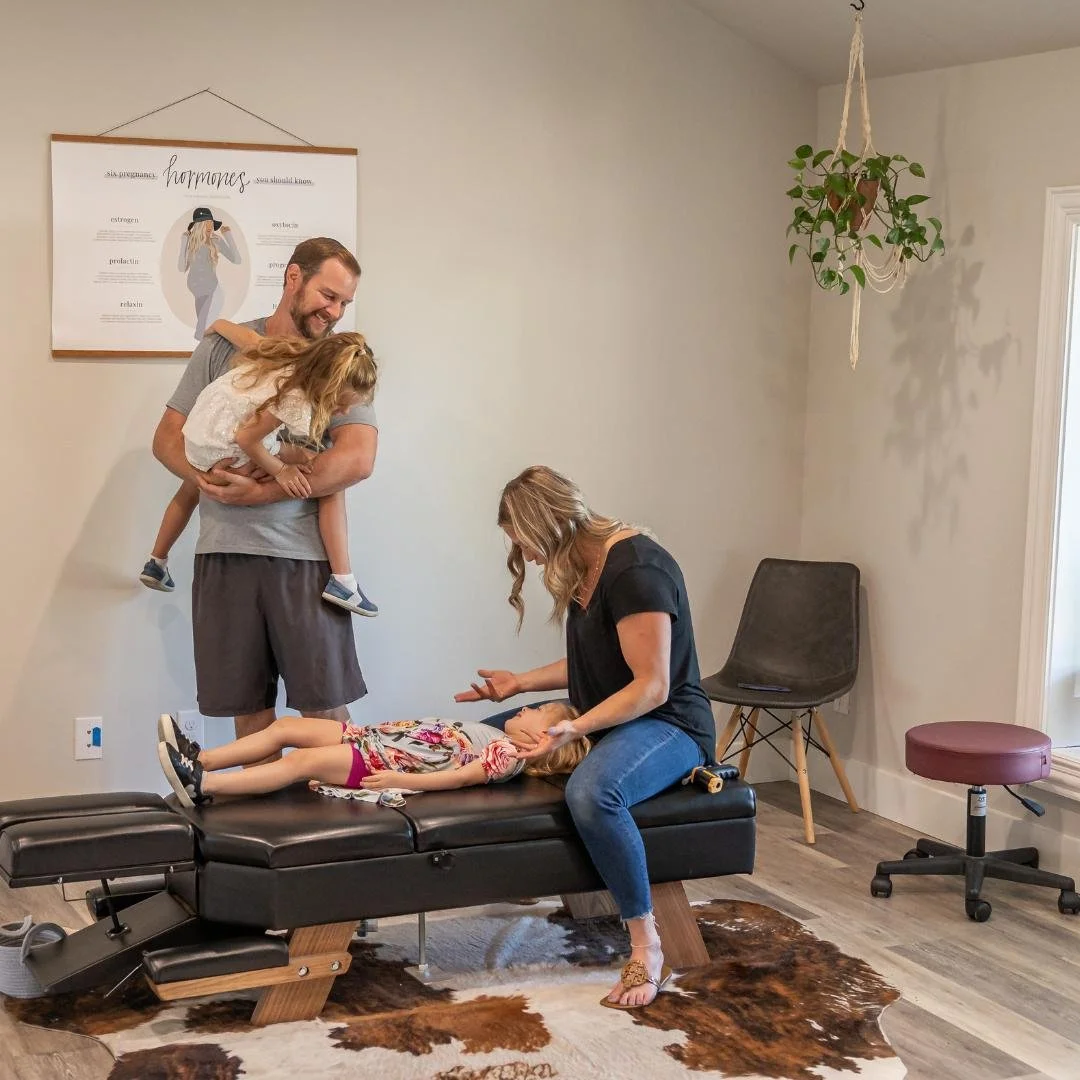
Why Prosper Families Trust Us With Their Children
When your child is struggling — whether it's a baby who won't stop crying, a toddler with chronic ear infections, or a school-age kid who can't focus — you need more than another prescription or a "they'll grow out of it." You need answers.
At Social House Chiropractic, we take a neurologically-focused approach to pediatric care. That means we don't treat conditions — we assess your child's nervous system, identify where stress and interference are building, and deliver gentle corrections that help their body function the way it was designed to.
Both Dr. Collin Walding and Dr. Kara Rodriguez are members of the International Chiropractic Pediatric Association (ICPA), Webster Certified, and trained in craniosacral therapy — giving them the specialized skill set to care for children from their first day of life through their teenage years.
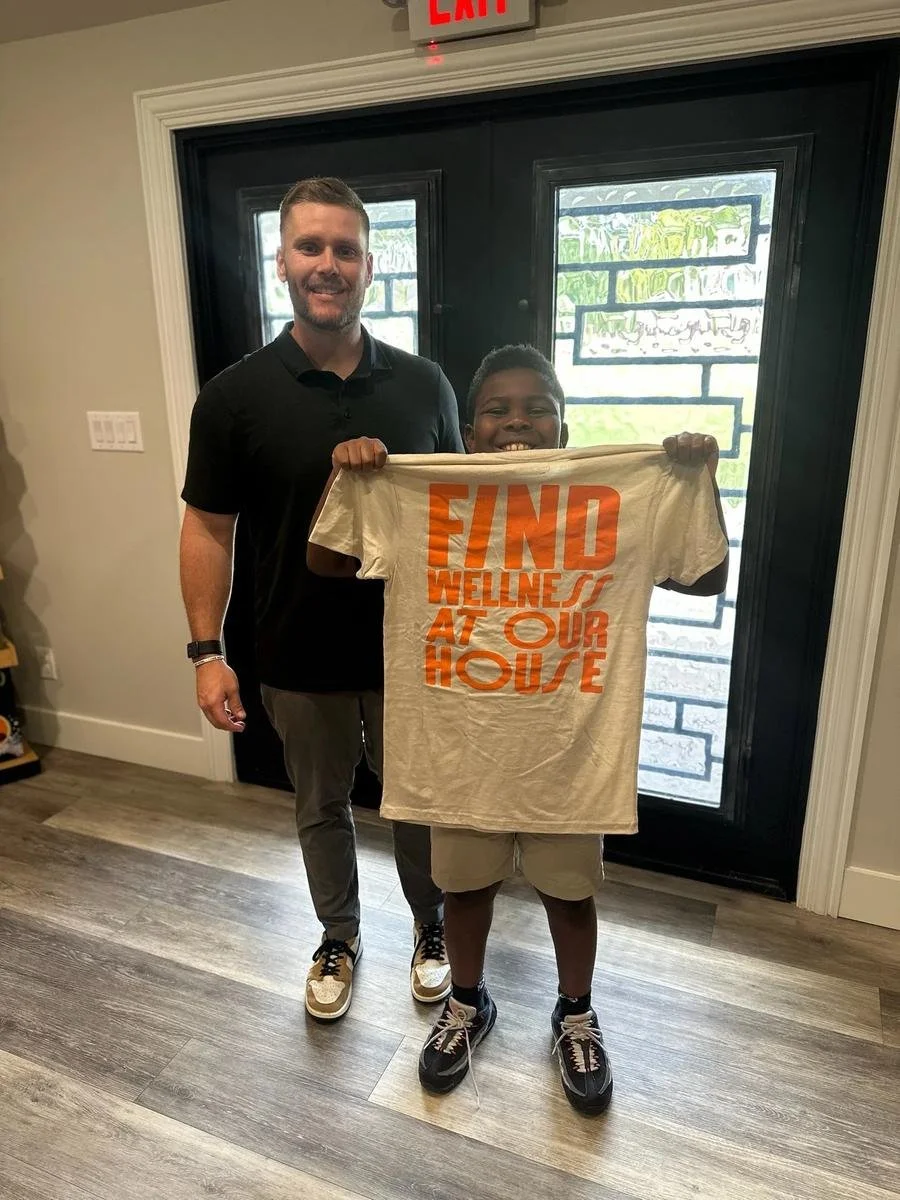
How Pediatric Chiropractic Supports Development
Your child's nervous system controls everything — digestion, immune response, sleep, focus, behavior, emotional regulation, and physical development. When there's interference in that system (what chiropractors call subluxation), the body can't communicate efficiently, and that's when problems start showing up.
Subluxation in children often starts at birth — from the physical stress of delivery — and compounds over time through falls, posture habits, screen time, and emotional stress. Pediatric chiropractic identifies and corrects that interference early, before it becomes a bigger pattern
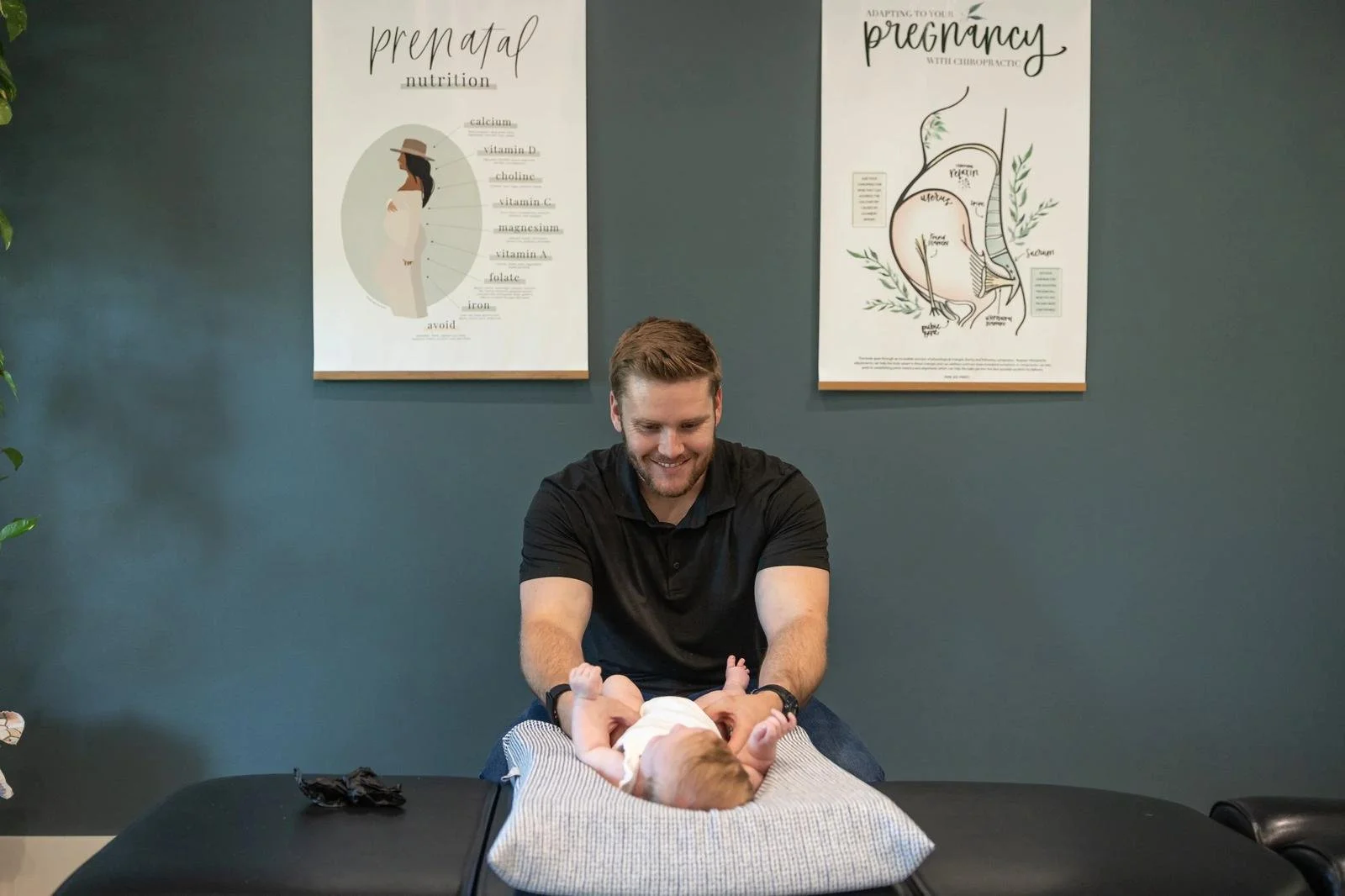
Infant & Newborn Chiropractic
The birth process — even an uncomplicated one — puts significant physical stress on a baby's spine and nervous system. Vacuum extraction, forceps, prolonged labor, and C-sections add even more. Many of the challenges newborns face — difficulty latching, colic, reflux, torticollis, poor sleep — trace back to nervous system stress from delivery.
We see babies as early as their first week of life. Adjustments are incredibly gentle — no more pressure than you'd use to check the ripeness of an avocado.
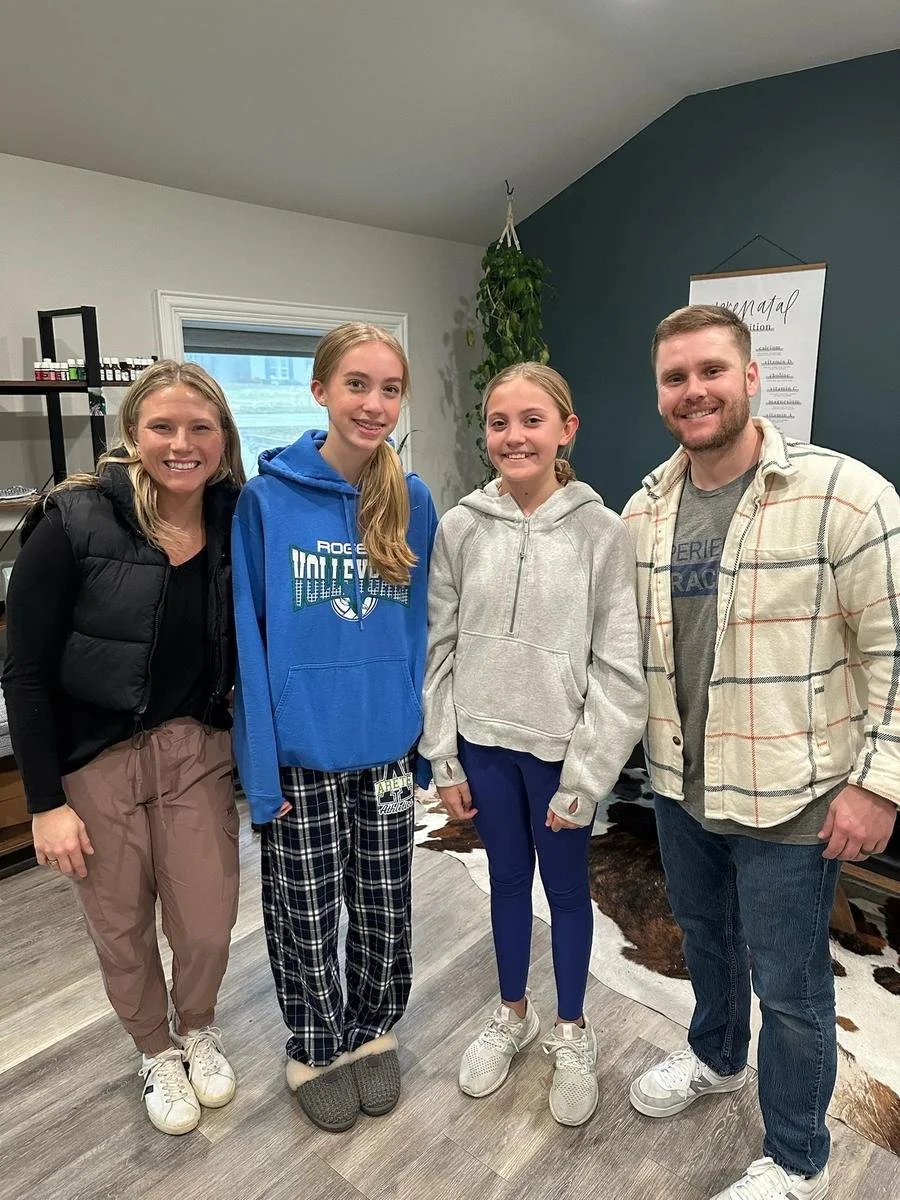
Chiropractic for Kids & Teens
As children grow, the demands on their nervous system multiply — school stress, sports, social pressure, screens, and the physical changes of puberty all play a role. Kids and teens who are stuck in a sympathetic-dominant (fight-or-flight) state often present with focus challenges, behavioral issues, anxiety, frequent illness, headaches, and poor sleep.
Neurologically-focused chiropractic helps shift their nervous system out of survival mode and into a state where growth, learning, and regulation can happen.
Conditions We Help With
We regularly support children dealing with:
Tongue tie — Pre- and post-release support for feeding and tension
Ear infections — Breaking the cycle of chronic infections naturally
Colic — Calming the nervous system to reduce excessive crying
Infant reflux — Supporting vagus nerve function and digestive comfort
Torticollis — Gentle cervical care for head tilt and restricted movement
Plagiocephaly — Craniosacral support for head shape concerns
ADHD & focus challenges — Nervous system regulation for attention and behavior
Anxiety — Helping kids shift out of fight-or-flight
Sensory processing — Supporting nervous system integration
What a Pediatric Visit Looks Like
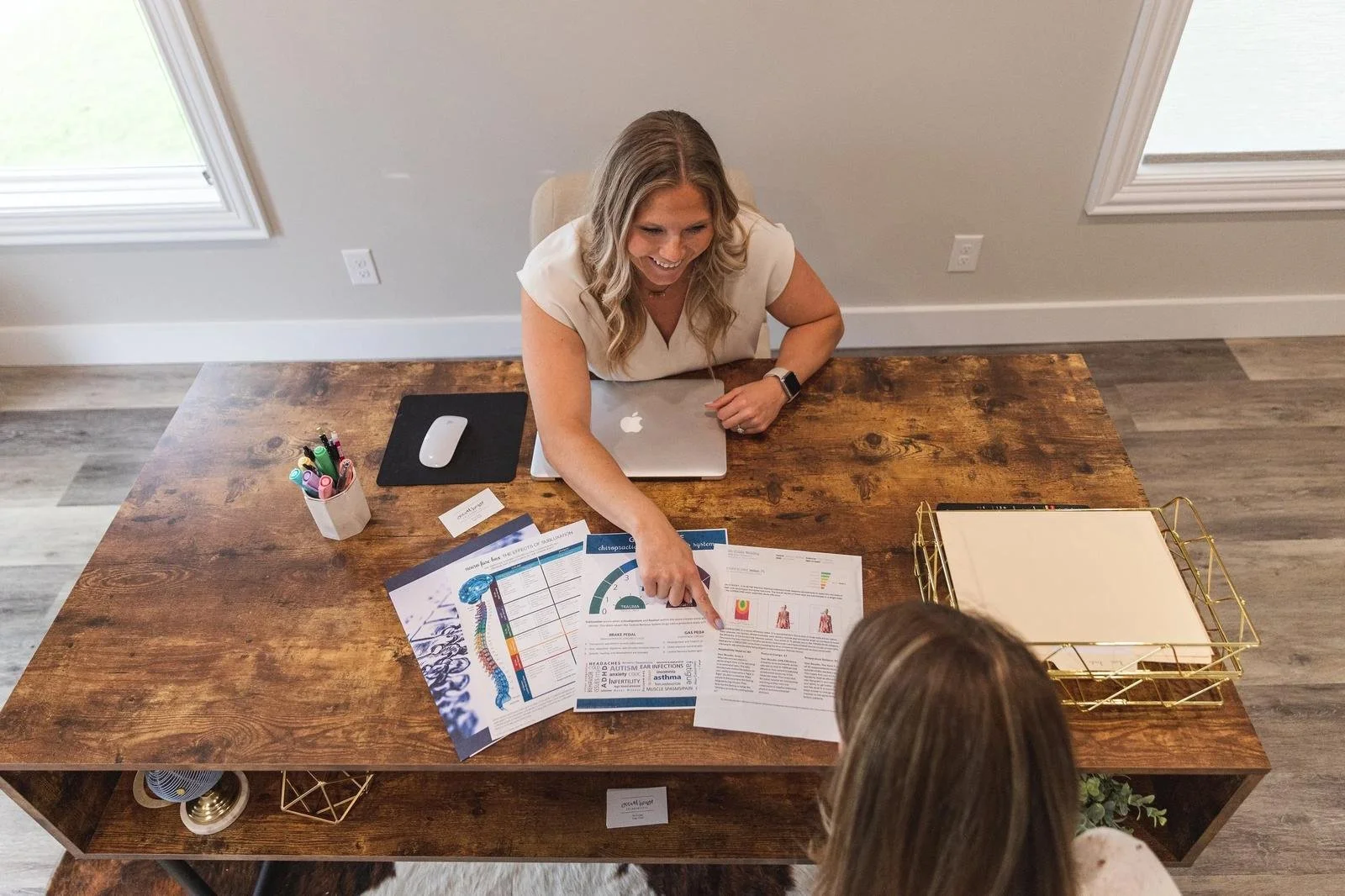
Pediatric visits at Social House are kid-friendly, low-pressure, and thorough. We start with CLA INSiGHT neurological scans — safe and non-invasive for all ages — to get an objective picture of how your child's nervous system is functioning. From there, we build a care plan based on data, not guesswork.
Adjustments for children are gentle, specific, and age-appropriate. For infants, we use fingertip pressure. For older kids and teens, we adapt our techniques to their size and developmental stage.
Frequently Asked Questions
Still have questions? Take a look at the FAQ or reach out anytime. If you’re feeling ready, go ahead and apply.
-
Yes. Pediatric adjustments are extremely gentle and specifically adapted for each child's age and size. Both of our doctors have advanced ICPA training and craniosacral therapy experience.
-
We see babies as early as their first week of life. There's no minimum age for a neurological assessment.
-
For infants, adjustments use about the same pressure you'd use to test the ripeness of a tomato. For older children, techniques are adapted to their size but remain gentle and specific.
-
We support children with colic, reflux, tongue tie, ear infections, torticollis, plagiocephaly, ADHD, anxiety, sensory processing challenges, and more — all through nervous system-focused care.
-
Yes. Both Dr. Collin and Dr. Kara are ICPA members, Webster Certified, and trained in craniosacral therapy.