
HEADACHES & MIGRAINES

Types of Headaches and Migraines
Not all headaches are the same, and understanding the type matters for effective care.
Tension headaches feel like a band of pressure around the head. They're the most common type and are closely linked to muscle tension, posture, and stress.
Cervicogenic headaches originate in the neck. Misalignment or dysfunction in the cervical spine refers pain into the head — often one-sided and accompanied by reduced neck mobility.
Migraines are neurological events that can involve throbbing pain, light and sound sensitivity, nausea, and visual disturbances. They're often triggered by a combination of stress, hormonal changes, sleep disruption, and nervous system dysregulation.
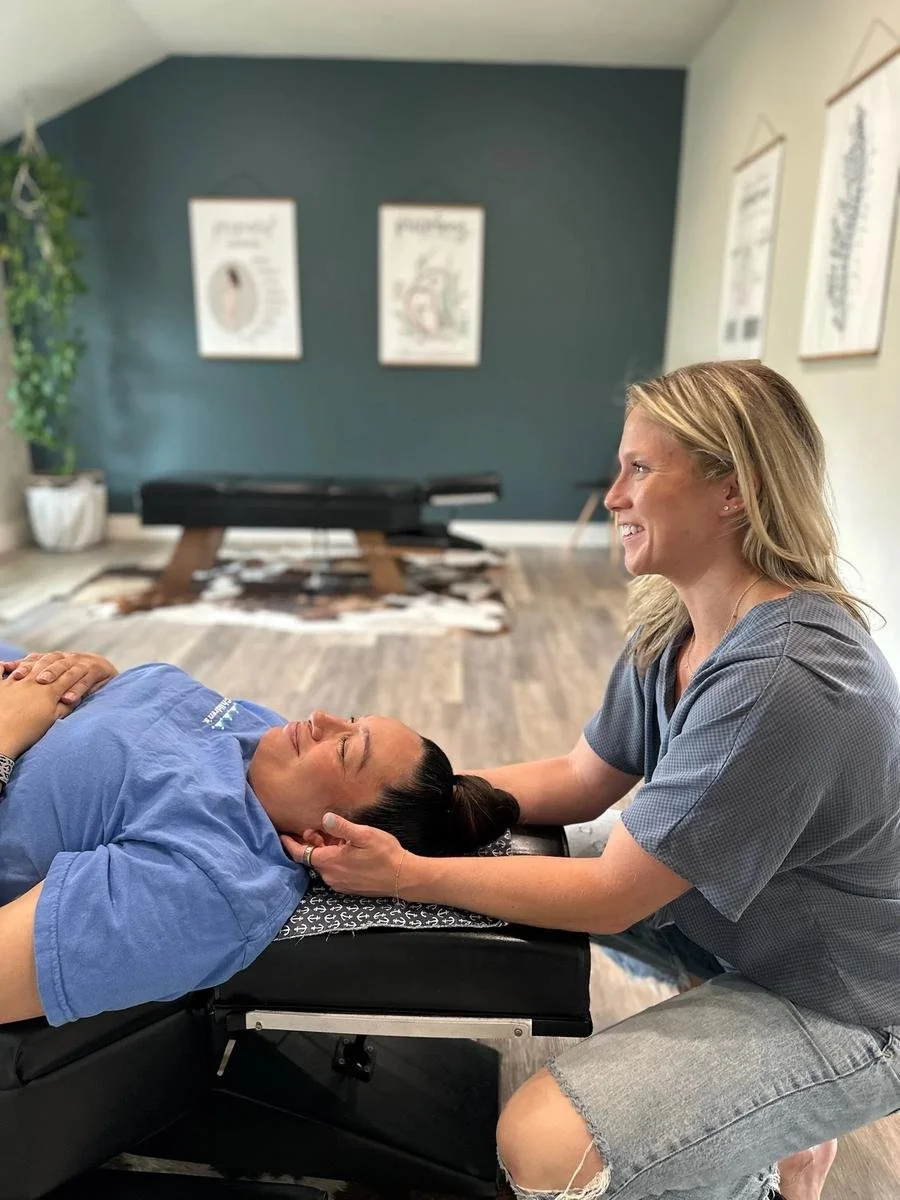
What's Really Causing Your Headaches
Most chronic headaches share a common root: dysfunction in the cervical spine and nervous system. Upper cervical misalignment creates tension in the muscles and fascia that connect the neck to the skull. It also affects the nerves and blood vessels that supply the head — which is why headaches so often accompany neck stiffness.
Add chronic stress, poor posture, screen time, and sleep issues — all of which compound nervous system strain — and you have a pattern that medication alone can't resolve because it never addresses the source.
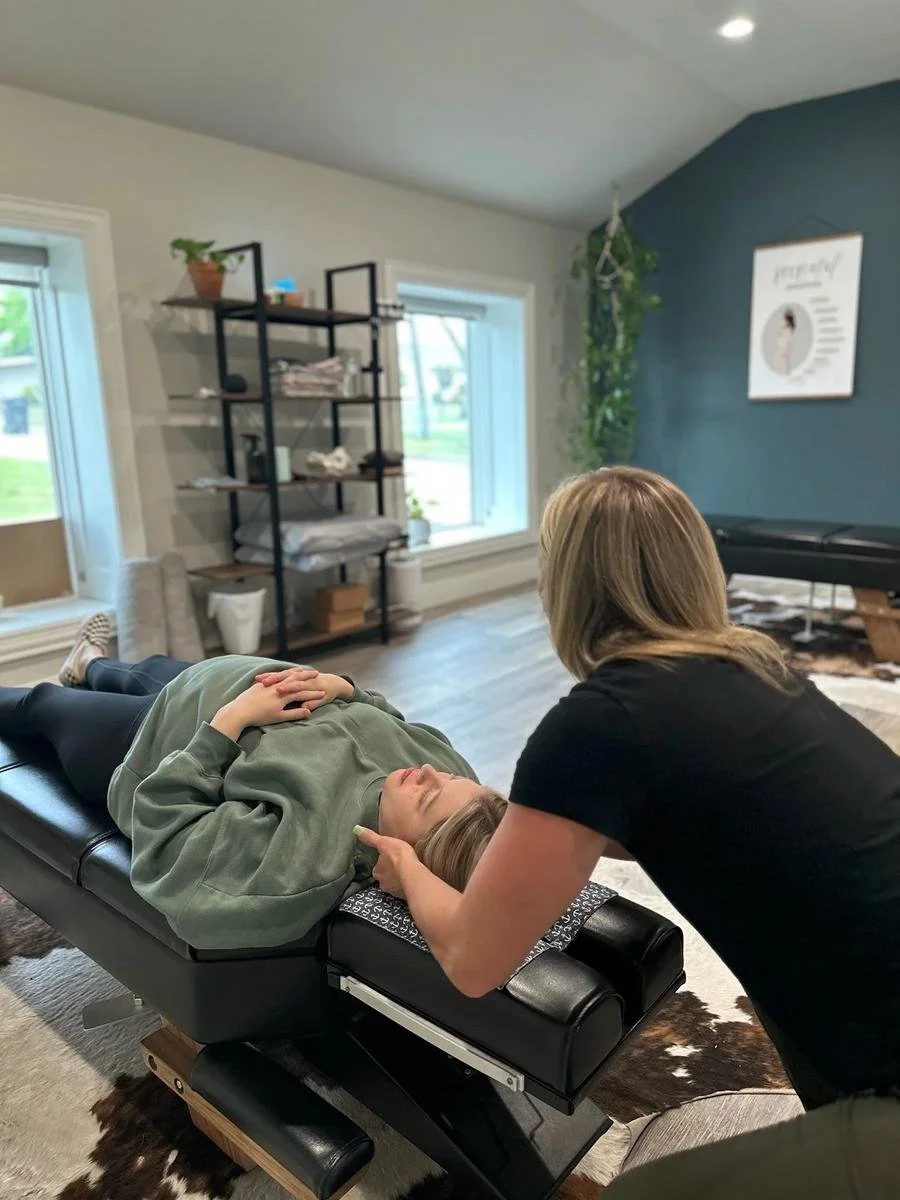
How Chiropractic Addresses the Source
At Social House, we start with a neurological assessment including CLA INSiGHT scans to identify where stress and misalignment are concentrated — particularly in the upper cervical region. From there, gentle and specific adjustments correct the misalignment, restore cervical mobility, and reduce the nervous system interference that's driving the headache pattern.
This isn't about masking pain. It's about correcting the structural and neurological dysfunction that produces it.
What to Expect
Your care plan will be based on your specific findings. Most headache patients benefit from consistent care — typically weekly to start — with decreasing frequency as the cervical spine stabilizes and the nervous system adapts. Many patients experience significant improvement within the first few weeks.
Frequently Asked Questions
Still have questions? Take a look at the FAQ or reach out anytime. If you’re feeling ready, go ahead and apply.
-
Yes. Migraines are neurological events, and chiropractic addresses the cervical and nervous system dysfunction that often contributes to their frequency and severity.
-
We identify and correct misalignment in the cervical spine that's creating tension, nerve irritation, and nervous system interference — addressing the source rather than masking the symptoms.
-
Many patients notice improvement within the first few weeks. Long-term resolution depends on the severity and chronicity of the pattern.
-
Cervicogenic headaches tend to respond most quickly because they're directly structural. Tension headaches and migraines also respond well, especially when nervous system regulation is a key component of care.